“(Un)Ethical” Romantasy
So this debacle didn’t last very long. The elapsed time of posting to the time of the apology was only a few hours, and by the next morning the “offending” post had been deleted, and for the most part, swept to the side. But…forgive me, I really do have to harp on our usage of language and the colloquial understandings of semantics as we move into a nebulous, post-truth future. The way we talk about things, the way we use language, and how the collective interprets that language is extremely important when we’re living in an age where tolerance of intolerance can lead us…well…here: under the thumb of malicious billionaires with dubious desires and (sometimes) genocidal tendencies. But…what am I talking about? I haven’t even begun with the situation!
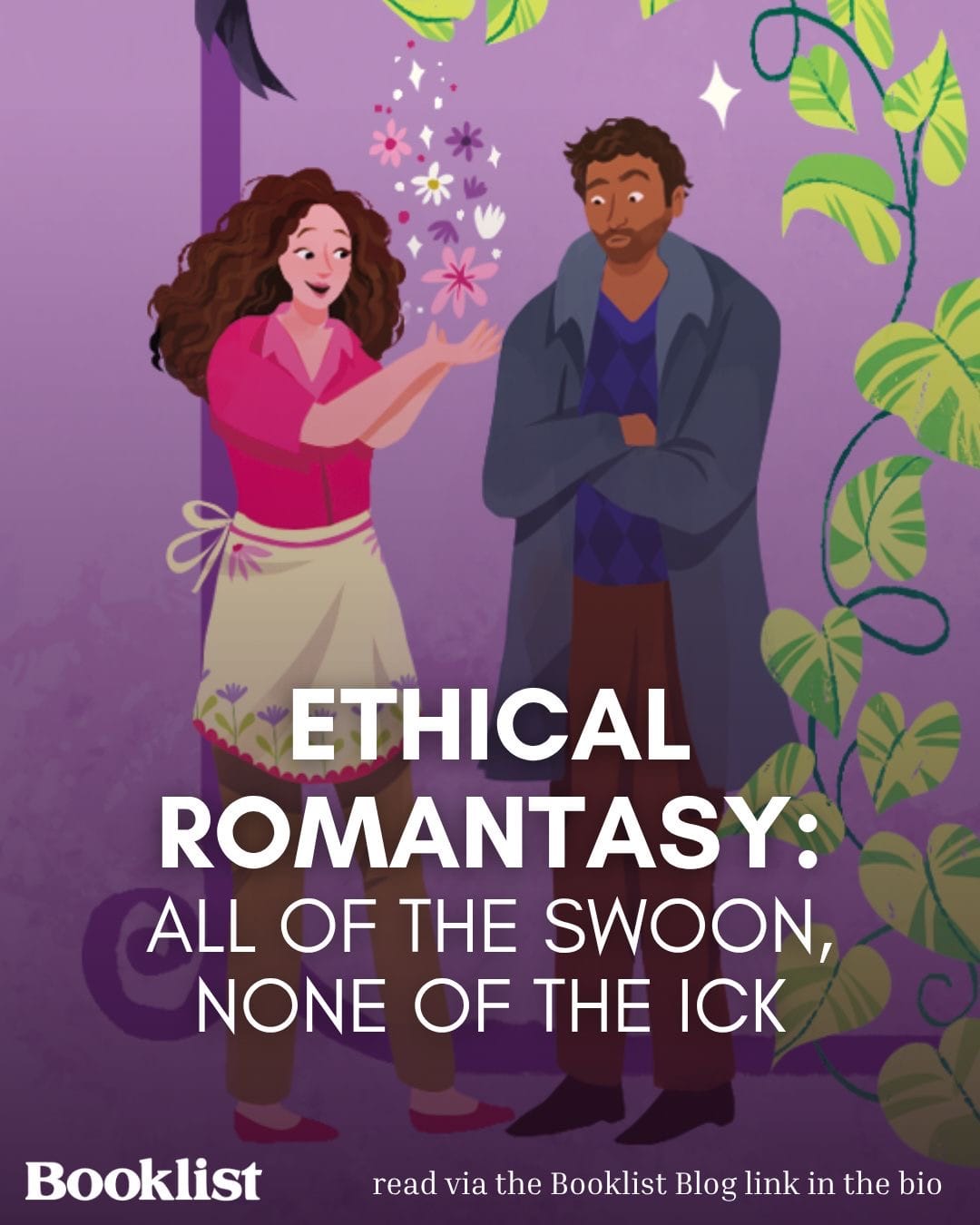
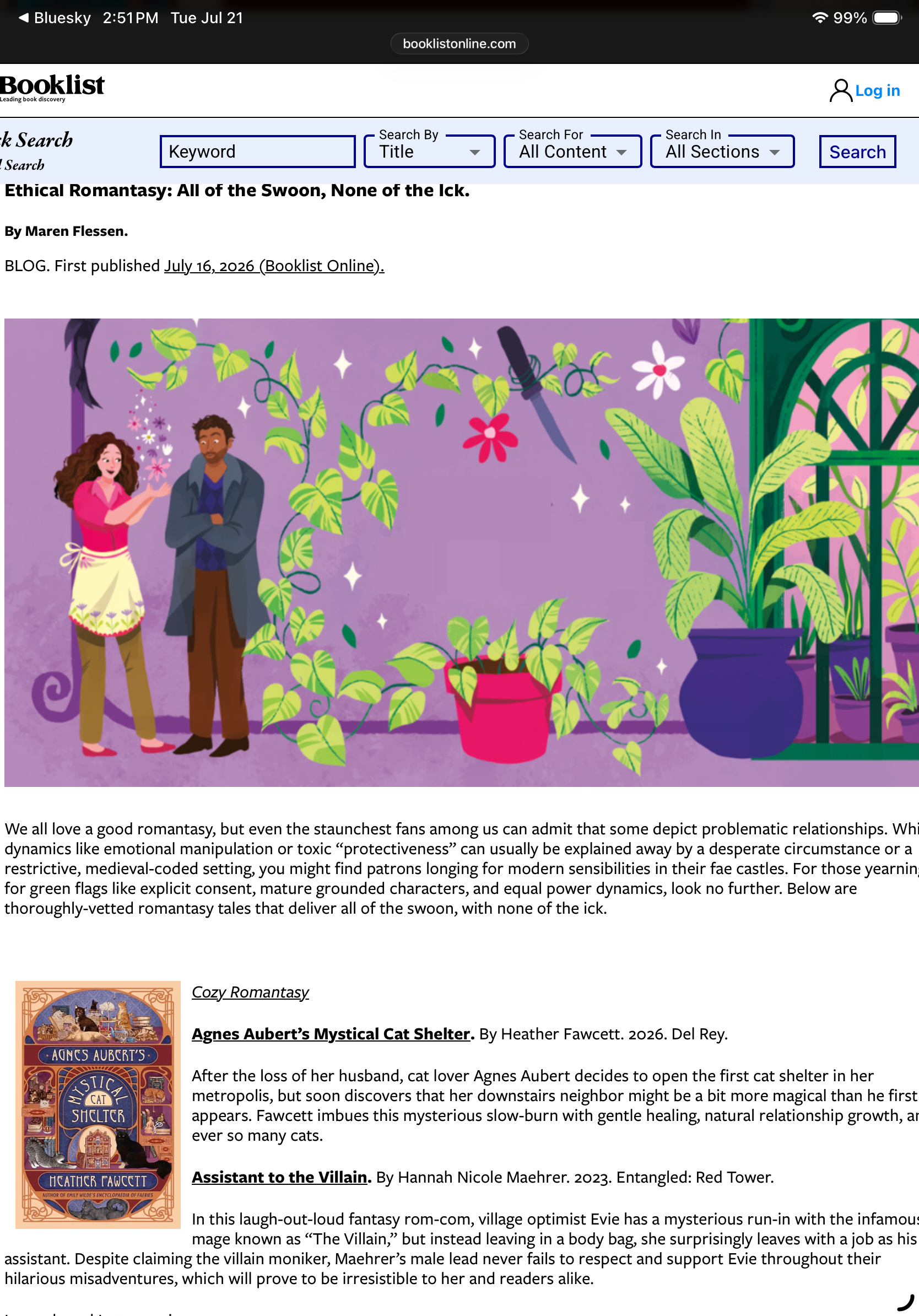
On the 16th of July, 2026, the book review publication of the American Library Association, Booklist, published an online article that was meant to spotlight a curated collection of low-stakes romance/fantasy (romantasy). We won’t use the word “cozy” here since there’s a rather heated discussion that can take place around that word and its usage in the modern bookish vernacular. Nevertheless, there is a word even more contested than “cozy” as of right now and Booklist has the questionable honor of introducing it. The article, written by Assistant Editor Maren Flessen, was titled “Ethical Romantasy: All of the Swoon, None of the Ick,” and I think I speak for plenty of us when I say that “cozy” would have been a far better choice than “ethical.”
So what is Booklist? Characterized on their website as the “book review journal” of the American Library Association, their function is to provide clear recommendations of published books in order to provide guidance for libraries across the nation. The journal’s contributors and editors are, in essence, reviewing books to allow libraries to craft informed decisions for which publications end up on their shelves. Since libraries need to be able to categorize books effectively, Booklist goes out of their way to make sure that the right books get shelved with similar titles and libraries can make those informed decisions without having to read every single book they want to carry. The creation of lists that might cater to particular age groups or sensibilities make sense to have, and being backed by the ALA makes them a trusted source for good information for not just librarians but also the general public. As a result, Booklist is held to a pretty high standard when it comes to the types of language they use in their social media posts and the titles that presumably gain approval through a series of editors.
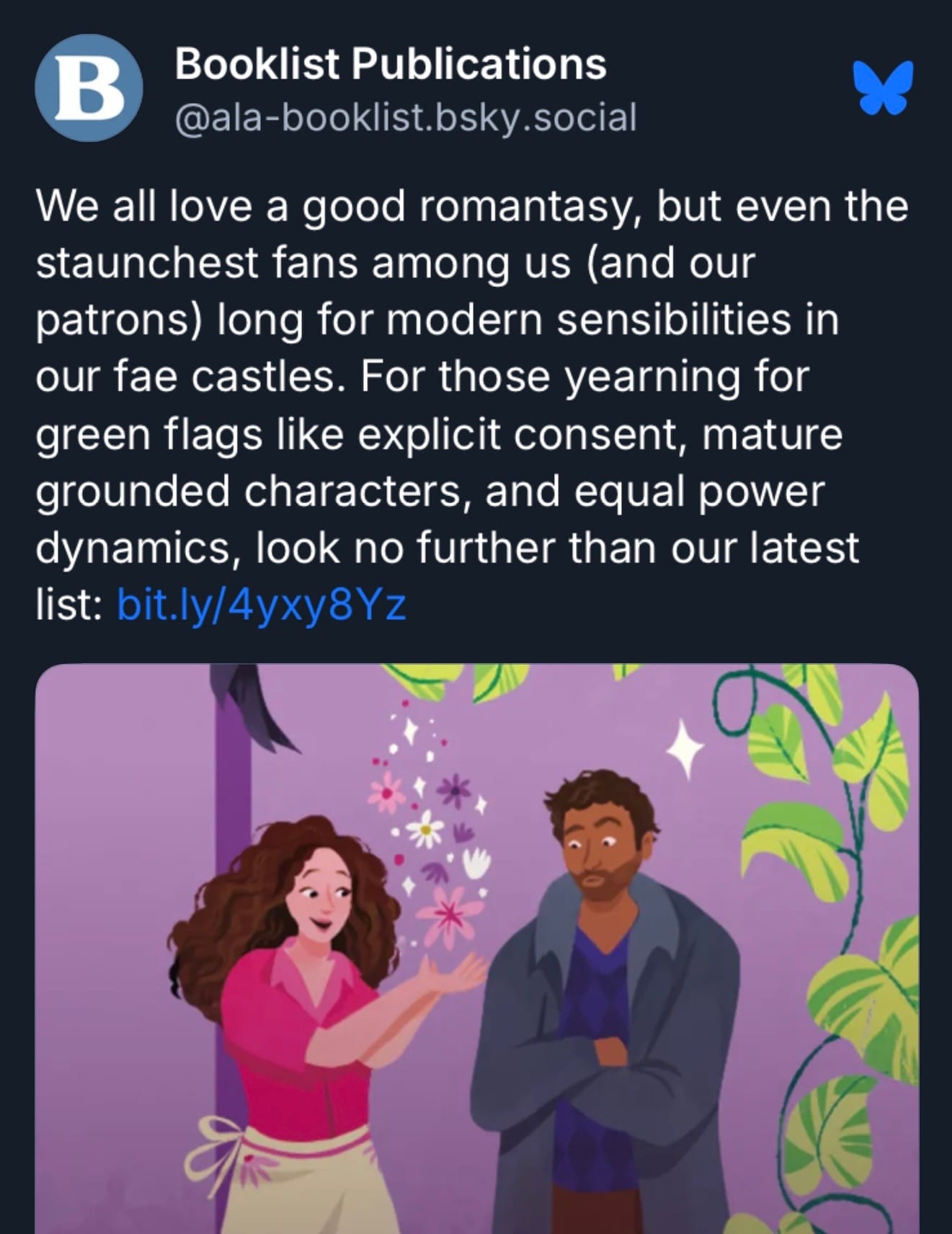
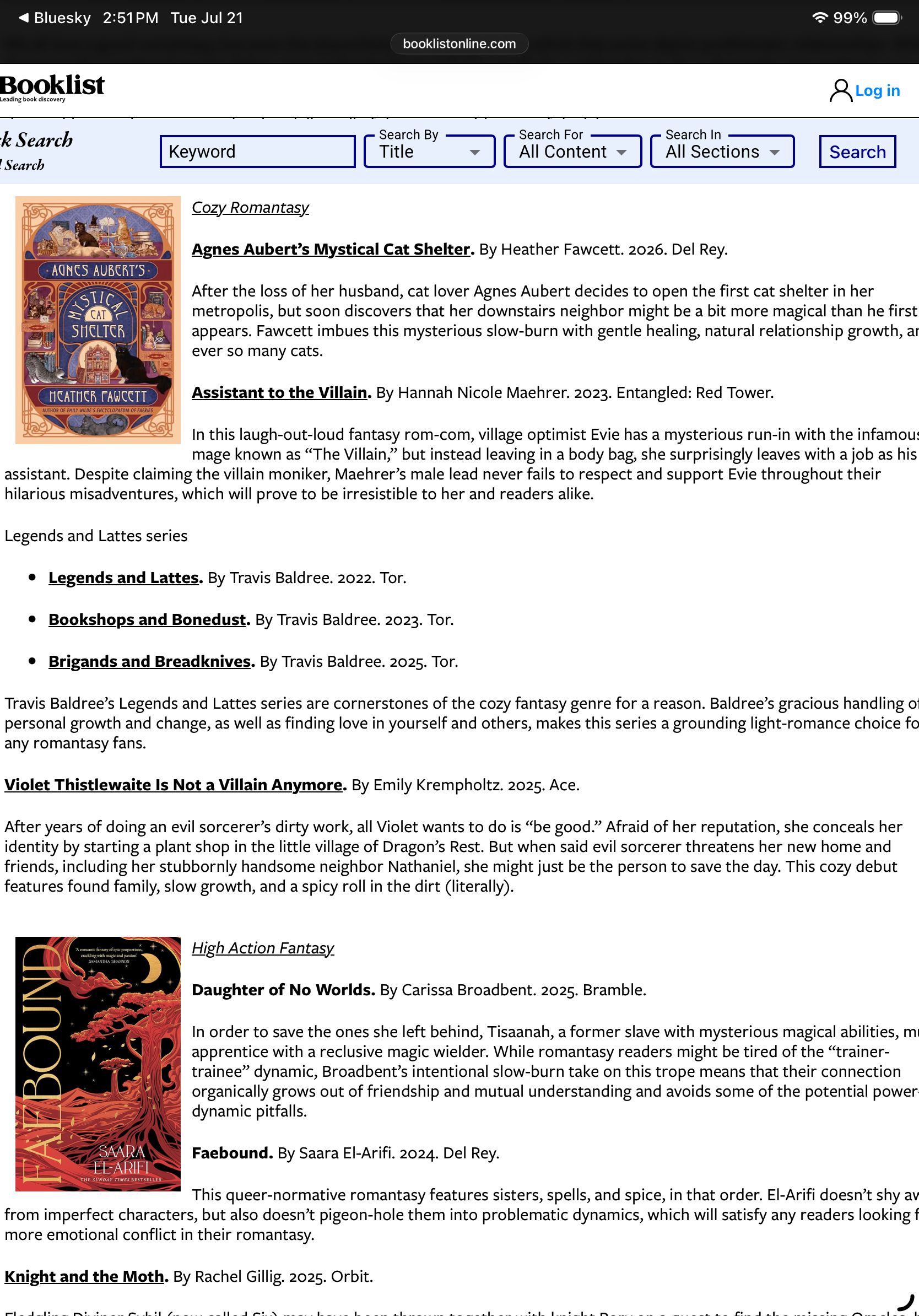
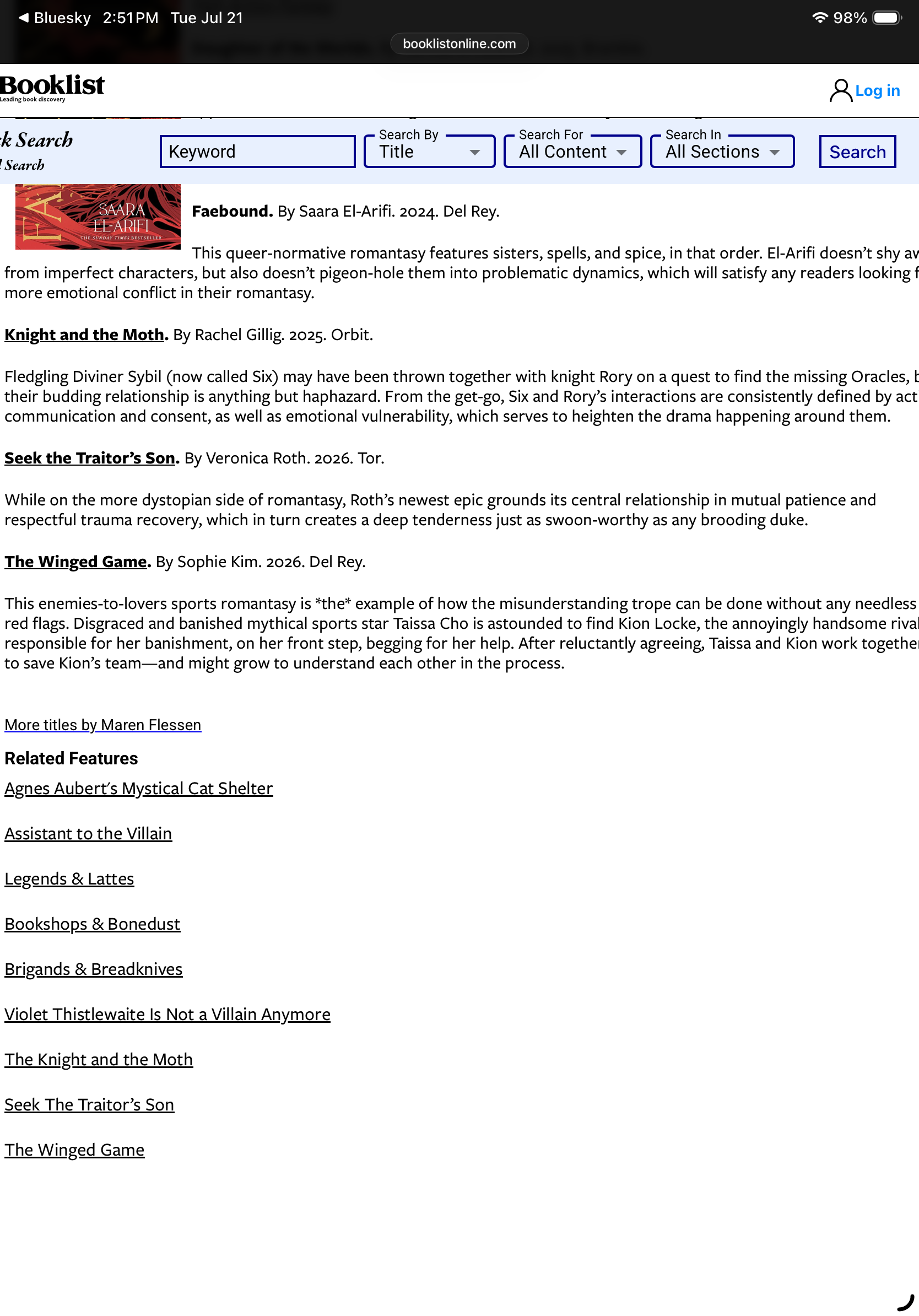
Some folks might think “Okay so what’s wrong with the word ‘ethical’ here?” For that we have to turn to the colloquial understanding of the words “ethical” and “moral.” Though some ethical theories include morality as part of their ethical paradigms, the popular understanding of ethics as a concept lies not in the internal valuation of acts but in the external—that is, if something actively harms someone it is considered “unethical” whereas morality might simply be a nebulous idea of what is right or wrong and can remain subjective. The way Joe Schmoe American interprets “ethical” conduct is in the tangible realm (as opposed to, say, the spiritual). Booklist’s BlueSky post read: “We all love a good romantasy, but even the staunchest fans among us (and our patrons) long for modern sensibilities in our fae castles. For those yearning for green flags like explicit consent, mature grounded characters, and equal power dynamics, look no further than our latest list […]”. The implication here is that anything outside of these perimeters was unethical writing, or writing with the ability to harm.
Obviously, if you’re not an illiterate medieval peasant who would like to burn librarians at the stake, this is a questionable usage of language when it comes to fiction novels. Fortunately, the internet was very forgiving this go around likely due to the speedy apology and the subsequent deletion of the post 24 hours later after all context could be gleaned by critics (very nice of them to leave it up for screenshots and discussion). Unfortunately for Mx. Flessen, the author of this particular list, some of us are still scratching our heads over the initial usage of the words “ethical” and “ick.” After all, does Flessen actually think that some fiction is “unethical”? Is some romantasy worthy of being described with adjectives that imply disgust such as “ick”? Sure, I’ve read a few books that have been DNFs (Did Not Finish) or that I’ve torn pages out of as I read them so my grandma wouldn’t have to be subjected to them (woman will read anything, swear to god) but imagine being an author and finding out that the American Library Association’s book reviewers think your work is disgusting. Yikes. Even further, imagine it being implied that your work is actively harmful. Extra Yikes. I think the real point of contention here remains that this “cheeky” (their word) type of posting actually does give ammunition to groups like “Moms for Liberty” or other rightwing pundits who leap on any excuse to call books harmful and advocate for the censorship of literature they’ve determined is disgusting. I mean, if the ALA thinks those books are harmful—aren’t they?
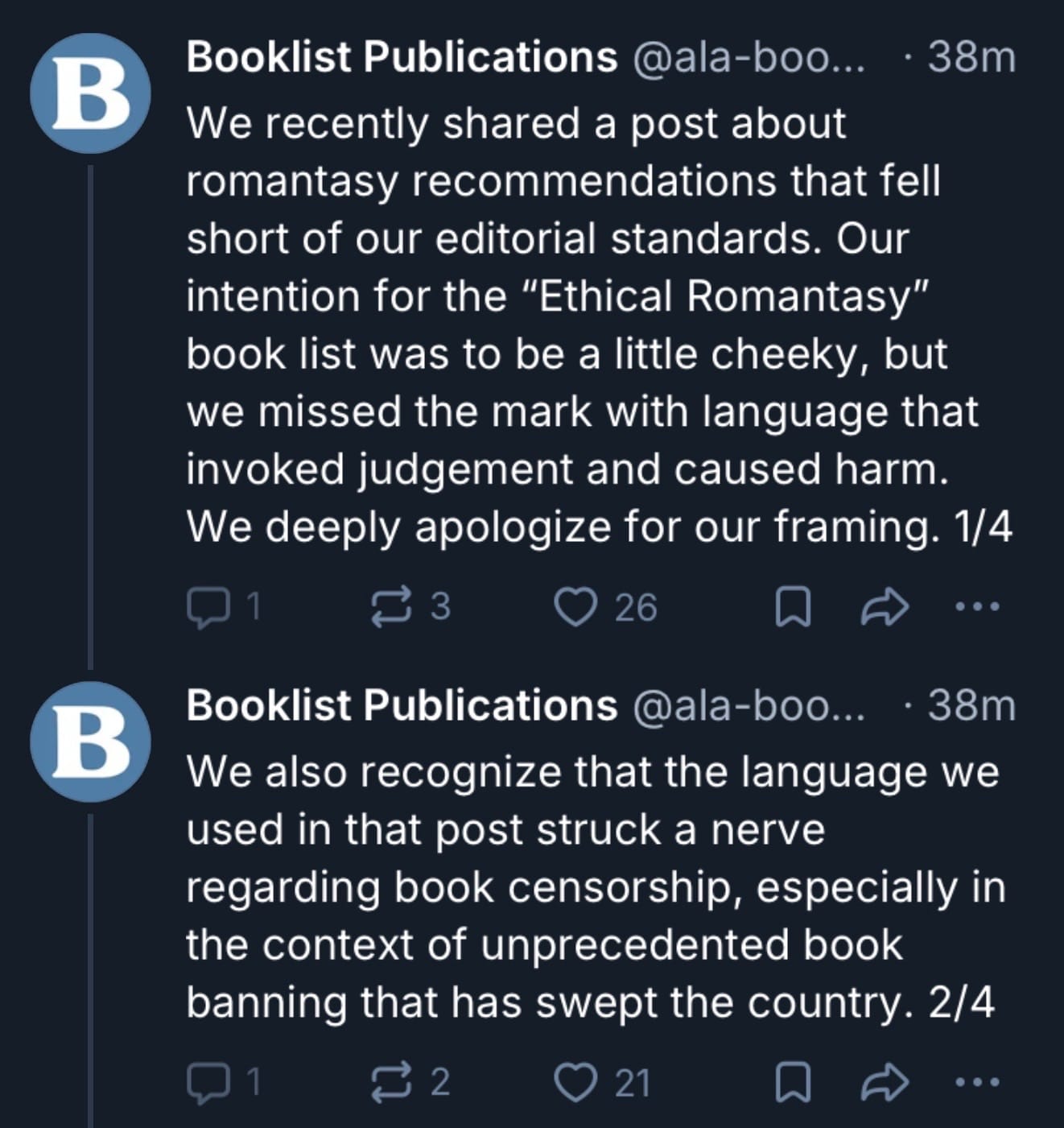
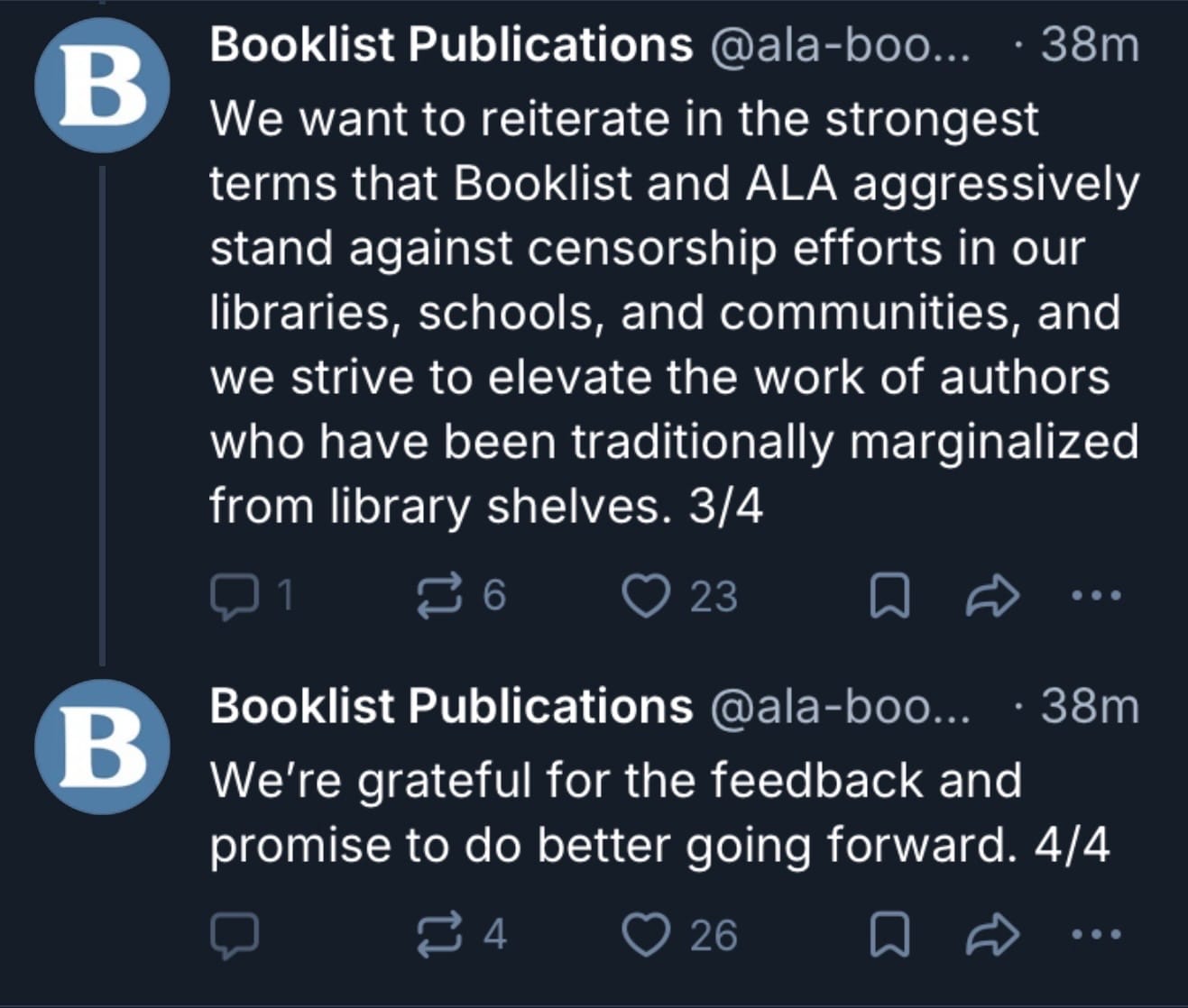
Reactions on BlueSky were pretty cohesive as they joked about “Ethical Gooners” and the ethics of fictional fisting. Booklist admitted openly that their list was meant to be “cheeky” but that they “missed the mark with language that invoked judgement” and went on to acknowledge that they’d misstepped within the context of censorship within the United States. “We want to reiterate in the strongest terms that Booklist and ALA aggressively stand against censorship efforts in our libraries, schools, and communities, and we strive to elevate the work of authors who have been traditional marginalized from library shelves.” It is true that the ALA has played host to some of the strongest condemnations of school and library censorship in the U.S., having an online portal that allows for reporting of censorship efforts as well as organizing groups to contact Congress and advocate for funding and protections for literature and library activities. They keep records of historical censorship data and host an Office of Intellectual Freedom that maintains resources with the mission of helping libraries with providing restriction-free information on topics without outside judgement. The 150 year old institution is lucky to have such a great track-record, because I think forgiveness would have come slower without it.
Thankfully for Flessen, Booklist did not throw them under the bus and this was a great learning opportunity—something that comes much less often in the age of career-ending social media fuckups. Not everyone has taken a “Philosophy of Ethics” course in college (I actually didn’t, I’ve just read about a lot of ethical philosophies after watching The Good Place and getting curious about Chidi’s interpretations of Kant) and unfortunately the general public isn’t going to have a decent grasp over any tongue-in-cheek usages of the word “ethical” within contexts in which they wouldn’t normally encounter it. We really do have to rely on the public’s interpretation of words and how the general population’s responses to those words can change over time. If one is disconnected from the zeitgeist, it might be a little difficult to make a post that is silly but also engaging in the days where every single word of your post is processed through SocMed’s acceptability standards like a suitcase through TSA. Still, it’s a teachable moment: No book is “unethical.” No book can cause harm. Actions taken because of a book or an ideology can be harmful, such as actions taken due to a severe adherence to a questionable parenting advice book, or actions taken due to a strict interpretation of the Holy Bible, but no book itself can be harmful and like it or not, they deserve to exist.
So here’s hoping that the lesson was learned and that Booklist is serious in their apology when they claimed they would move forward and do better. In this day and age, we need the ALA to remain a steadfast ally in our fight against censorship and to consistently spread the message that all kinds of books deserve to be defended, even (or even especially) those that are “icky.”